

Bitcoin: Detailed Overview of Handy and Dependable Payment Method
Bitcoin stands for the first decentralized cryptocurrency in the world. The BTC payment method has rapidly obtained popularity since the inception of crypto in 2009. Companies and people started to accept BTC for its protection, speed, and limitlessness.

In contrast to conventional currencies, Bitcoin functions on blockchain technology. This guarantees transparency and diminishes the necessity for intermediaries like banks. The digital currency proposes significant advantages, such as lower transaction fees, heightened safeness, and accessibility for the unbanked.
More merchants and online stores have begun to incorporate BTC. Let’s respond to the “What is Bitcoin payment” question in detail and determine why it deserves your consideration and trust.
How to Get Crypto Bitcoins
Bitcoin (BTC) is the first and most prevalent cryptocurrency. It is widely sought after for investment, transactions, and digital savings. If you plan to pay with Bitcoin, you should comprehend how to acquire it.
Purchasing Bitcoin is considered the simplest method. It is achievable through cryptocurrency exchanges, Bitcoin ATMs, and peer-to-peer (P2P) platforms. Users can likewise earn BTC instead of purchasing it. For instance, there are a lot of freelance platforms and companies that pay in Bitcoin for such services as writing, programming, design, or consulting. Another variant is to participate in cashback programs or acquire rewards in Bitcoin. Some credit cards propose BTC rewards instead of conventional cashbacks.
Finally, you can consider Bitcoin mining. It is the process of validating transactions on the Bitcoin blockchain and obtaining rewards in BTC. Once you investigate these methods, you can detect the best pathway to acquiring Bitcoin based on your preferences, resources, and level of expertise.
Unlock the full potential of your Bitcoin with the LinkPay card. Shop, pay, and transact with ease!
Description of Miscellaneous Methods to Obtain Bitcoins
Getting Bitcoins has become more accessible since the cryptocurrency market keeps on developing. Let’s have a glance at the most widespread methods for obtaining Bitcoin:
Cryptocurrency exchanges. These are platforms where people can purchase, sell, and market Bitcoin.
Bitcoin ATMs. This variant authorizes users to acquire BTC employing cash or credit cards, similar to withdrawing money from a conventional ATM.
P2P platforms. These instruments connect buyers and sellers directly and ensure greater flexibility in payment methods.
The list of handy methods to acquire Bitcoin is not complete. Analyze all variants accessible and pick the one that best corresponds to your needs and preferences. After doing this, you will be able to get the crypto and employ the Bitcoin payment method.
Setting up a Cryptocurrency Wallet
Cryptocurrency wallets are important for storing, sending, and acquiring digital assets securely. There are a few types of these wallets. The most widespread variants are hot wallets (online wallets) and cold wallets (offline wallets).
Hot wallets are connected to the internet. This makes them highly accessible for transactions. Cold wallets are not connected to the internet. However, they ensure enhanced safeness. Other variants of wallets incorporate hardware wallets, software wallets, custodial wallets, non-custodial wallets, and others.
To pick the right wallet, you should perform definite actions. In particular, your assignment is to determine your usage, evaluate security needs, consider compatibility, estimate budget constraints, and familiarize yourself with reputation and testimonials.

Making Bitcoin Payments
Bitcoin (BTC) is increasingly being employed as a means of payment for goods and services around the globe. Its decentralized nature, safeguarded transactions, and growing acceptance make it an attractive variant for digital and physical purchases.
Are you among users who wonder how to make a Bitcoin payment? Here is a helpful list of steps you need to perform. The entire procedure is rapid and effortless.
Step 1: Pick BTC as the preferred payment approach.
Step 2: Generate a payment address.
Step 3: Send the payment through a crypto wallet.
Step 4: Confirm your transaction.
Paying with Bitcoin is an uncomplicated process. It proposes a modern, secure, and borderless way to transact. Comprehending these steps ensures an unhindered payment experience. What’s more, there are several recommendations to guarantee trouble-free payments, in particular, employing a dependable wallet, checking addresses, and monitoring exchange rates.
Pick the Bitcoin Payment Variant
The initial step in paying with Bitcoin involves picking the BTC payment method. Go to the checkout or payment page of the online store, service provider, or platform where you desire to carry out a purchase or payment. Search for the section that lists accessible payment approaches.
From the proposed variants, pick BTC as your payment method. This choice may appear under “Cryptocurrency Payments” or as a standalone option. The platform may show the amount you need to pay in BTC. In addition, you may see a real-time exchange rate to calculate the equivalent Bitcoin amount.
Generate a Payment Address
Generating a payment address is a critical step. The reason is that it crafts the destination for the payment to be transmitted securely. A Bitcoin payment address is a line of alphanumeric characters derived from the receiver’s public key. It serves as the receiver’s wallet identifier and guarantees the transaction is directed to the needed wallet.
Once BTC is selected as the payment approach, the platform will generate a unique wallet address or QR code for your transaction. This guarantees the payment is routed correctly to the receiver. Do not forget to employ a trustworthy Bitcoin wallet that prioritizes safeness and encryption.
Send the Payment
Transmitting a Bitcoin payment through a crypto wallet is one of the most crucial steps in finishing a transaction. This procedure guarantees that the receiver acquires the agreed-upon amount securely and effectively.
First, you should access the crypto wallet where you have your BTC. Input the wallet address of the receiver. Alternatively, employ the QR code scanning feature (available in most wallets) for accuracy. Indicate the amount of Bitcoin you wish to transmit.
Make sure your wallet is fully functional and properly synced with the blockchain network. Double-check the wallet address. Sending BTC to an incorrect or incompatible address may result in permanent loss of funds.
Confirm Transactions
Before you confirm the transaction, it is of utmost importance to have a glance at such details as receiver address, payment amount, and transaction fees. Once verified, you can confirm your transaction. You may need to input a PIN or password, approve via biometric authentication, or employ a hardware wallet button to confirm depending on your wallet.
After transmitting a Bitcoin payment, confirming the transaction is the final and important step to ensure it has been successfully handled and acquired by the intended receiver. This stage involves verifying the transaction’s status on the blockchain and monitoring its progress.
Ready to revolutionize the way you pay? With the LinkPay card, you can spend your Bitcoin easily and securely, anytime, anywhere!
Payments via Intermediaries and P2P
When people pick the Bitcoin payment method, they should keep in mind payments can be carried out in two ways: Peer-to-Peer (P2P) and via Intermediaries. P2P payments imply transmitting BTC directly from one personal wallet to another. It permits people to transact without relying on banks or other financial institutions. The procedure involves:
Stage 1: Open your wallet.
Stage 2: Get the receiver’s Bitcoin address.
Stage 3: Input the receiver’s address and indicate the amount of BTC you desire to transmit.
Stage 4: Verify the transaction details and send the payment.
Employing intermediary services guarantees an approach to making Bitcoin payments for goods and services. These services facilitate transactions between buyers and sellers and propose supplementary layers of safeness. The process includes:
Action 1: Pick an intermediary service.
Action 2: Select the product or service.
Action 3: Send Bitcoin payment.
Action 4: Confirm the transaction.
Both methods propose different features and strong points. P2P is the most direct, while intermediary services provide more safeness, functionality, and simplicity for purchasing goods and services.
Employing Altcoins for Payment
Altcoins (alternative coins) are all cryptocurrencies other than Bitcoin. The elevating variety of altcoins proposes people an array of variants for crypto payments. These altcoins can serve miscellaneous purposes, from suggesting confidentiality and more rapid transactions to introducing innovative blockchain technology. The most widespread altcoins are:
Ethereum (ETH)
Litecoin (LTC)
Ripple (XRP)
Dash (DASH)
Monero (XMR)
Dogecoin (DOGE)
There are definite specifics for employing altcoins. For instance, a lot of altcoins are developed with the objective of diminishing the limitations of BTC, such as transaction speed and costs. Litecoin and Bitcoin Cash propose more rapid transaction confirmation times and lower fees compared to the BTC payment method.
Coins that are focused on privacy such as Monero and Dash permit people to carry out transactions without revealing their identities or transaction details. However, while BTC has the highest market liquidity, altcoins frequently have smaller and more niche markets. Finally, altcoins can be highly volatile and experience more price swings than Bitcoin.
Purchasing Gift Cards
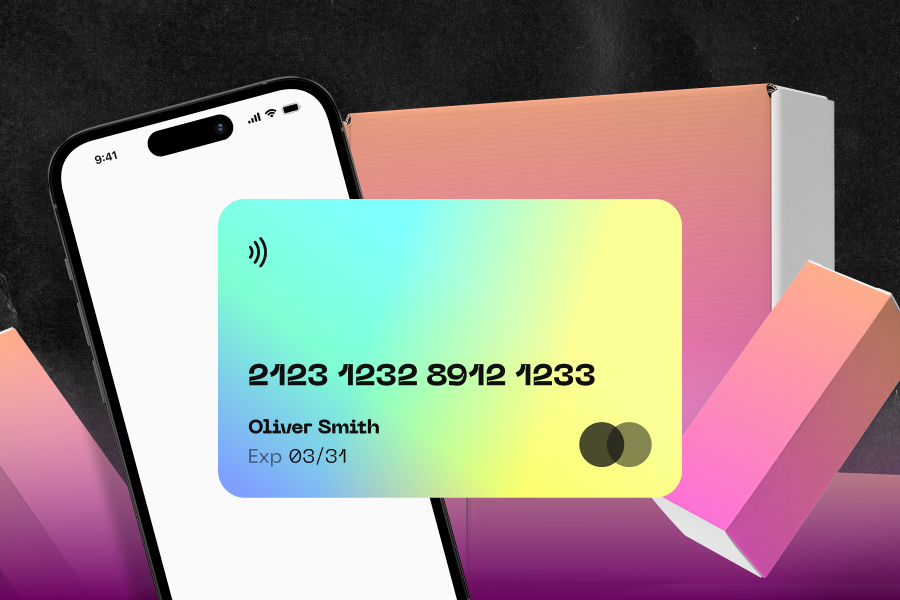
One handy and practical utilization of BTC is buying gift cards. This authorizes users to shop for goods and services without needing to convert their digital assets into conventional currency. To buy gift cards with Bitcoin, you should pick a platform and make the purchase. As one can see, it is pretty simple to acquire a gift card.
The best part is that these gift cards are accepted almost everywhere by retailers and online platforms. There are numerous websites and applications that authorize users to buy gift cards with Bitcoin. The most prevalent variants are Bitrefill, Gyft, CoinGate, and others.
Bitrefill proposes an extensive selection of gift cards from famous retailers such as Amazon, Google Play, Apple, Netflix, and more. Gyft suggests cards for numerous retailers as well, including Starbucks, Target, and Home Depot. The CoinGate platform offers gift cards for major brands, gaming services, and online stores.
Bitcoin Payment Method: Pros and Cons
The unique peculiarities of the BTC payment method propose several advantages over conventional payment approaches. Nevertheless, there are some significant drawbacks. By weighing the pros and cons presented in the table, you will be able to decide whether paying with Bitcoin is a good solution for you.
Advantages | Disadvantages |
High-speed international payments | Volatility |
Top-level safeness | Price fluctuations |
Free from third-party interference | Market speculation |
Transactions on the Bitcoin network frequently have significantly lower fees. While fees hinge on network congestion, they are more predictable and transparent. At the same time, payments carried out through banks, credit cards, or payment gateways frequently come with higher transaction fees, including service charges, currency conversion fees, and intermediary costs.
Being a decentralized currency, BTC functions 24/7 without the necessity for banks or third-party institutions. It is accessible anywhere in the world as long as you have a stable internet connection and a Bitcoin wallet.
What’s more, the decentralized nature of Bitcoin implies it is not governed by any central authority or financial institution. This independence makes it resilient to government policies, economic sanctions, or inflation triggered by excessive money printing. Users have complete control over their funds, which elevates financial freedom.
Related Articles
FAQ
A BTC payment is a transaction with the utilization of Bitcoin (a decentralized digital currency). It allows people to carry out peer-to-peer transfers without intermediaries and ensures rapid, secure, and global payments employing blockchain technology.
A BTC transaction is the procedure of transferring Bitcoin between wallets on the blockchain. It involves a sender, recipient, and amount. Transactions are transparent and recorded in Bitcoin’s decentralized ledger.
As a rule, a Bitcoin transaction takes 10 minutes to 1 hour to confirm. It hinges on network congestion and fees. Six confirmations are standard for security, making the process more reliable but potentially slower.
If you wish to convert BTC to cash, employ a cryptocurrency exchange, Bitcoin ATMs, or peer-to-peer platforms. Transfer crypto to the platform, sell it, and withdraw funds to your bank account. Fees and processing times vary by method.
Cryptocurrencies accepted for online buys involve Bitcoin (BTC), Ethereum (ETH), Litecoin (LTC), Binance Coin (BNB), and stablecoins like Tether (USDT) or USD Coin (USDC). Other variants such as Dogecoin (DOGE) and Solana (SOL) are accepted too. Availability hinges on the merchant’s preferences and supported payment processors. Always check platforms for accessible options.
You can pay with cryptocurrency at e-commerce platforms, gaming sites, travel agencies, and such retailers as Microsoft, Overstock, and Shopify stores. Other variants include subscription services, VPN providers, and some restaurants. Payment processors, for instance, BitPay and CoinGate expand crypto acceptance to numerous online and physical merchants globally.
Bitcoin payment fees can be different and hinge on network congestion and transaction size. Fees range from a few cents to $20 or more during high demand. More rapid confirmations require more elevated fees, while lower fees may drive to delays.
Yes, you can turn BTC into cash through Bitcoin ATMs, peer-to-peer platforms, or cryptocurrency exchanges. Sell your crypto and withdraw funds to a bank account or acquire cash directly. Fees and processing times depend on the method employed.
Yes, some jurisdictions allow tax payments with BTC, either directly or via payment processors. Availability hinges on local laws and government adoption. Always check with your tax authority for guidelines on cryptocurrency-based tax payments.


