

What is CVV Code: Unveiling the True Meaning and Its Role in Secure Transactions
In today’s fast-paced digital economy, where online payments have become standard, safeguarding financial data has never been more crucial. CVV code — that seemingly insignificant three-digit number on a card that stands between money and fraudsters. But what is CVV really? Why does this matter so much? Let's dive deeper into worlds shaped by these codes, CVV meaning, and tools that make securing them easier than ever, such as LinkPay’s virtual cards, which not only provide an extra protective layer but also offer up to 3% cashback along with multi-currency flexibility.

- Located at most cards' backs, three digits long.
-
Adds defense layer preventing unauthorized online or phone transactions.
-
Never share, keep fraudsters at bay.
What is a cvv?
Card Verification Value — small but mighty safety feature. This three/four-figure sequence is assigned on credit or debit, safeguarding digital transactions, particularly when not physically presented, like during Internet shopping.
CVV vs. CVV2: What Sets Them Apart?
At first glance, CVV number and CVV2 might appear identical, but there's more hidden below. Both refer to protection code, yet the second one offers additional security, especially for Visa or Mastercard. Explicitly designed for "card-not-present" situations, such as digital shopping or phone orders, this feature offers extra security, where it can make critical difference.
Why Defense Digits Are Vital for Card Protection
Credit card numbers with CVV play a pivotal role in keeping money safe. Serves as a final layer, confirming that only the actual cardholder enters details. Even if your number gets compromised, transactions are less likely going through without verification digits. Most merchants must request it, but can't store it, adding safety measures. However, not all merchants require it, creating potential vulnerabilities. Though access codes help curb fraud, they’re not foolproof — staying cautious is essential.
Where Verification Markings Appear in Different Cards
Credit card CVV location depends upon type you're using:
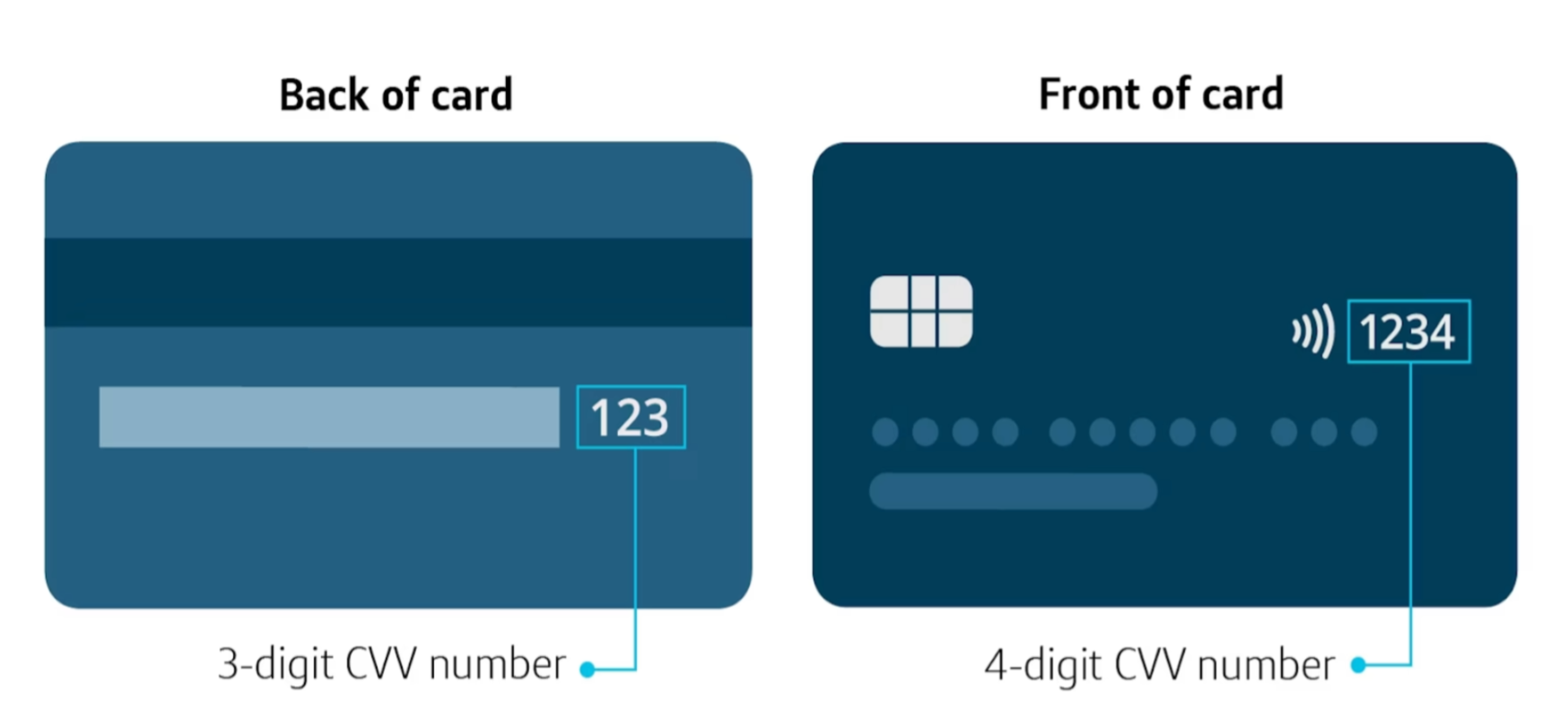
For Visa, Mastercard, or Discover, it's three-digit code printed at the back, by signature strip.
For American Express, you'll find a four-digit code on the front, typically above the number.
Payment Confirmation Feature Purpose
CVV on card serves as an essential defense against fraud. Its primary job ensures that even if a fraudster has your digit sequence, they can't complete the transaction without also having a physical medium. Since codes cannot be stored by merchants, they provide an extra line of defense. While they aren't the ultimate shield, they dramatically reduce risk of fraud, especially when combined alongside other safety measures like encrypted payment methods.
Generation Process
Although seeming random, generating a CVV code involves a complex process. It's crafted using an algorithm based around verification data, expiration date, together with unique issuer codes. This process ensures each has a unique identifier, changing every time a new card gets issued. Ever-changing passcode creates significant challenges for fraudsters, preventing reuse of stolen data while giving you more peace of mind during transactions.
Dynamic Verification: Secure Payments Future
Taking security step further, some banks offer dynamic Card Verification Value, which updates regularly. Unlike the static one, dynamic frequently changes, accessible through your banking app. This technology operates much like two-factor authentication (2FA), offering greater safeguarding for online payments. Continual refreshing renders data exploitation nearly impossible for fraudsters.
Comparing to PIN: Critical Differences
Feature | CVV | PIN |
Purpose | Verifies online/phone payments | Authorizes in-person transactions |
Usage | Online, phone transactions | ATMs, in-store purchases |
Can be Changed? | No | Yes |
Issued By | By issuer | By holder |
Where it’s Found | Printed on card | Set by holder |
Security Layer | Extra layer for online fraud | Secure access for in-person transactions |
Keeping Your Payment Information Safe
Your cvv number plays a critical role in keeping cards safe, but doesn't provide complete protection independently. In further safeguarding financial data, here are few tips, alongside solutions from LinkPay that offer enhanced security:
Use Password Manager: Use strong, unique passwords to safeguard online accounts. LinkPay’s virtual cards add encrypted payment protection in your transactions.
Don’t Store Info Online: Many retailers offer saving details, but this increases risk. LinkPay allows you to create virtual using temporary numbers, limiting data breaches exposure.
Shop Securely: Always ensure websites have "https" along with padlock symbols. LinkPay does heavy lifting by verifying these connections automatically.
Beware of Phishing: Don’t click suspicious links asking for details. LinkPay securely manages your transactions, reducing the likelihood of phishing attacks.
Monitor Accounts: Stay vigilant by regularly checking transactions. LinkPay’s real-time notifications keep you updated about all activities, so you can act fast if anything seems amiss.
Conclusion
In today’s digital age, protecting your CVV code remains essential, avoiding falling victim to online fraud. Pairing modern solutions, such as LinkPay’s virtual cards, enhances safety significantly. Temporary numbers, multi-currency support, plus real-time monitoring ensure that LinkPay keeps your financial transactions as secure as possible. Staying vigilant, combined with cutting-edge tools, helps you keep finances safe, providing peace of mind.
Frequently Asked Questions About CVV
Three- or four-digit identifier verifying online, phone payments, adding extra security.
Code behind most cards (Visa, Mastercard) shows three digits; American Express displays four on front.
Usually located behind, near the signature box.
Safe only on trusted, secure sites. Avoid sharing through email, unverified sources.
It's the three-digit code used to secure online and phone transactions.
It’s a security feature that protects against fraud in card-not-present transactions, like e-commerce.


